
Dispatch Queue Overview
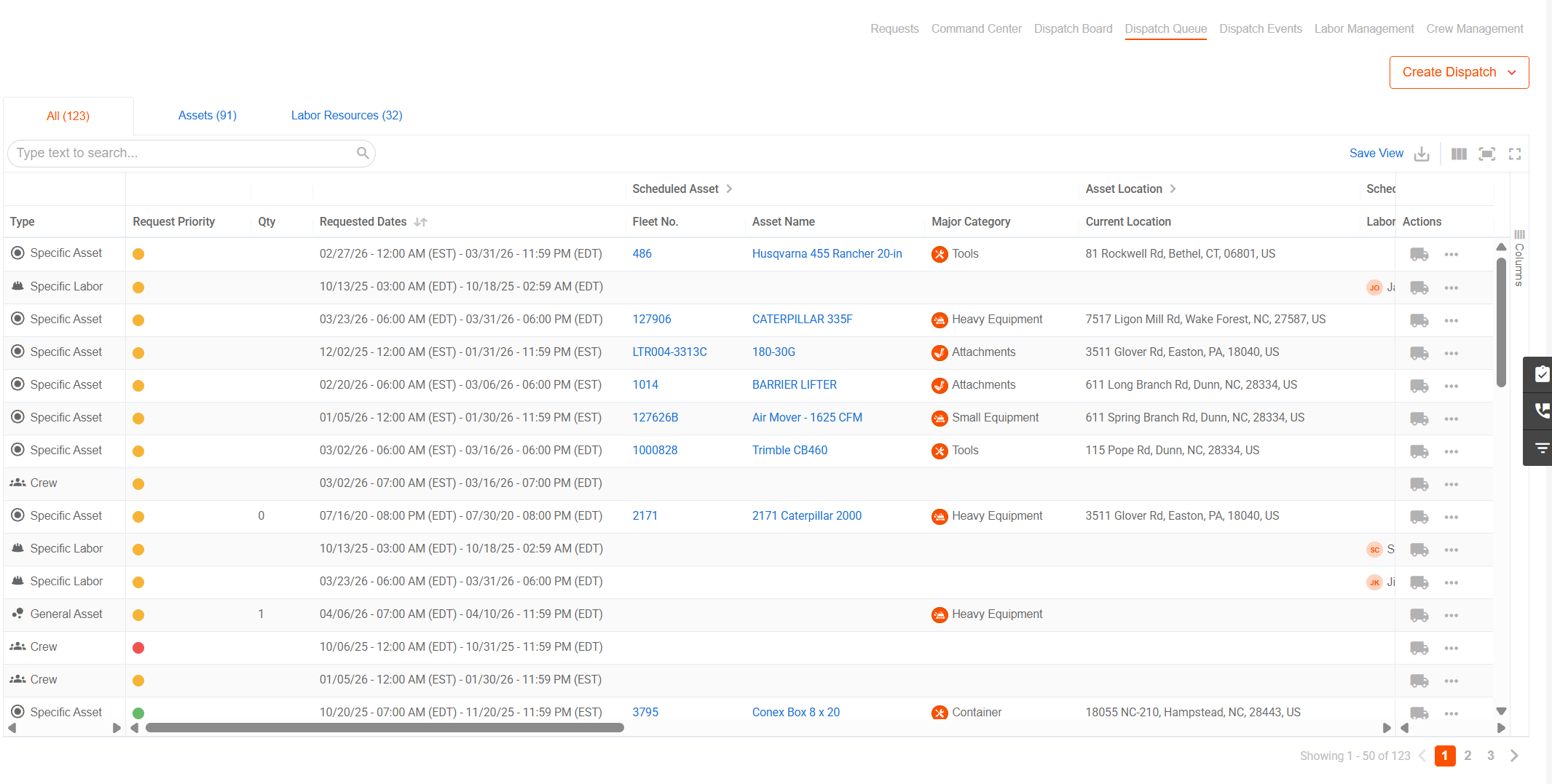
The Dispatch Queue is where approved requests wait to be scheduled and dispatched. It keeps your team focused on work that still needs action — once a request is added to a dispatch event or manually removed, it drops off the queue automatically.
Each row in the Dispatch Queue represents a single approved request (asset or labor). From this page you can:
- See what has been requested, where, and when
- Filter and search for specific requests
- Create dispatch deliveries and tasks from approved requests
- View and edit request details
- Remove requests from the queue once they’re handled
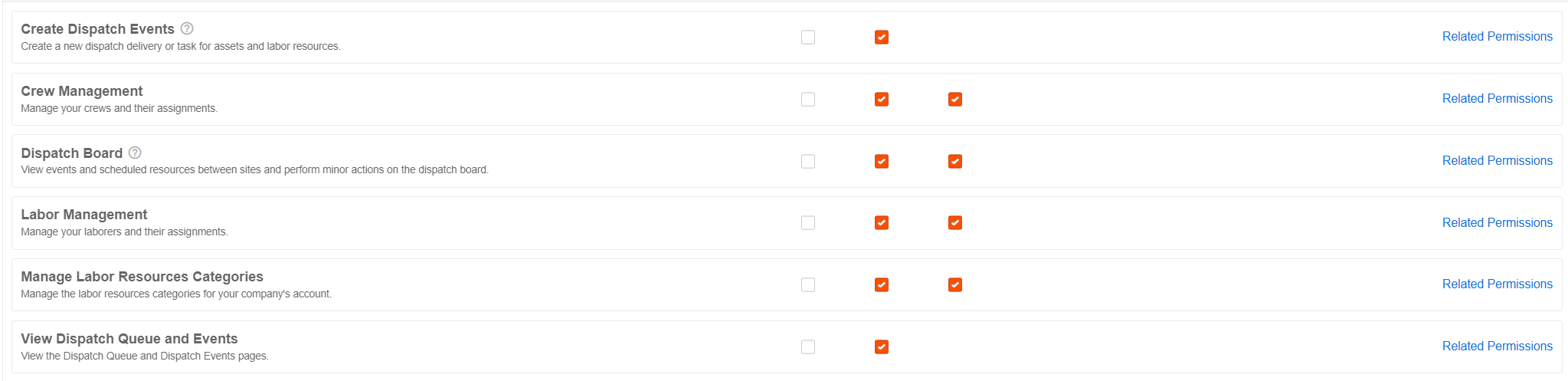
Permission Requirements: The View Dispatch Queue and Events permission must be turned ON.
Related Permissions:
- Create Dispatch Events enables workflows
- Dispatch Board enables workflows
💥Dispatch Queue is part of a premium product, Resource Management, and requires a separate license. Please contact your Account Manager for more information on premium product licenses or reach out to Customer Support at help@tenna.com or call 888.836.6269.
In this article:
What Shows in the Dispatch Queue
Tabs, Filters, and Saved Views
What Shows in the Dispatch Queue?
The Dispatch Queue contains approved requests that are ready to be dispatched. A request stays in the queue until it's either added to a dispatch event or manually removed. This keeps the queue focused on work that still needs to be scheduled.
Assets vs. Labor Resources
The Dispatch Queue includes two main categories of requests:
- Asset Requests
- Requests for specific assets (e.g., “Excavator #123 to Site 45”)
- Requests for general asset categories (e.g., “1 Large Excavator to Site 45”)
- Labor Resource Requests
- Requests for specific laborers
- General labor requests
- Crew requests
Page Layout and Tabs
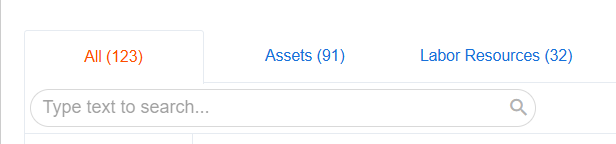
At the top of the Dispatch Queue you’ll see tabs that control which requests are shown:
- All – Shows all approved requests in the queue (assets and labor resources).
- Assets – Shows only asset requests.
- Labor Resources – Shows only labor and crew requests.
Each tab can have its own saved view, so you can customize columns and filters separately for All, Assets, and Labor Resources.
The Dispatch Queue Table
The following table describes each column in the Dispatch Queue Table.
| Field | Description | Applies to |
|---|---|---|
| Request basics | ||
| Type | Specific Asset, General Asset, Specific Labor, General Labor, or Crew | All requests |
| Request priority | Visual indicator of urgency | All requests |
| Quantity | Number of assets or labor resources requested | All requests |
| Requested dates | The date or date range when the resource is needed | All requests |
| Asset Requests | ||
| Fleet No. |
|
Asset requests |
| Asset name |
|
Asset requests |
| Asset category | Major category and subcategories | Asset requests |
| Asset organization | Subsidiary, division, and department | Asset requests |
| Current location | Address where the asset is currently located | Asset requests |
| Current site | Site number/name with standard hover popovers | Asset requests |
| Labor Requests | ||
| Laborer name |
|
Labor requests |
| Crew name & members |
|
Labor requests |
| Labor category | Trade, trade level, and classification | Labor requests |
| Labor organization | Subsidiary, division, and department | Labor requests |
| Requested site & location | ||
| Requested site | Site number and site name | All requests |
| Requested location | Drop-off address | All requests |
| Requestor & approval details | ||
| Requested by | The individual who created the request | All requests |
| Requested on | Date the request was created | All requests |
| Notes | Any notes entered on the request | All requests |
| Recipients to notify | Who will be notified about the request or related dispatch | All requests |
| Approved on / approved by | When and by whom the request was approved | All requests |
Tabs, Filters, and Saved Views
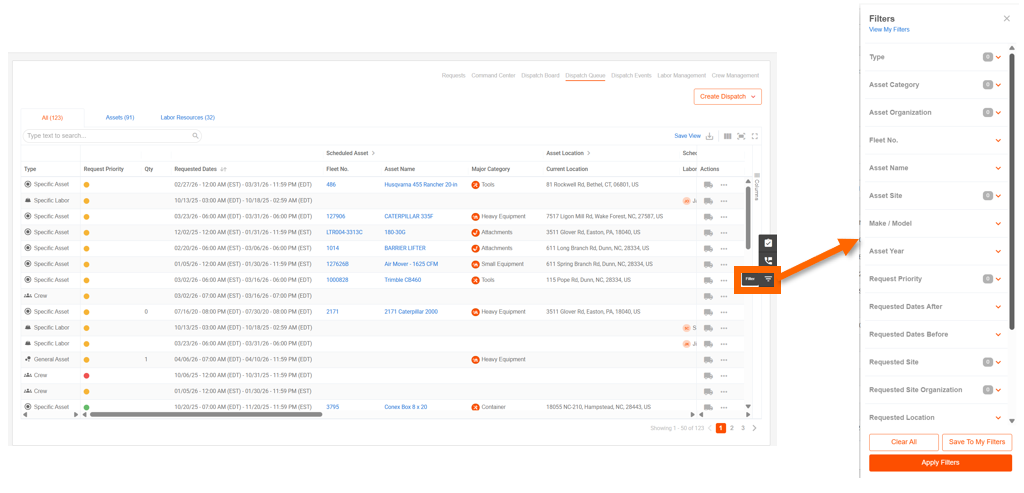
Click the filters icon to narrow down requests. Filters adjust based on the tab you're on and include options for request type, priority, asset or labor category, requested dates, site, and more.
Quick Filters at the top of the table let you slice the queue by common categories:
- General — General asset or labor requests
- Specific — Requests for a specific asset or laborer
- Crew — Crew requests (available on All and Labor Resources tabs)
- Requested for This Week — Requests whose dates overlap the current week
Save your favorite filter combinations and column layouts as Saved Views on each tab for quick access later.
Working with Requests in the Queue
Each row includes an actions menu so you can work directly from the queue.
Create Dispatch (primary action): The main purpose of the Dispatch Queue is to turn approved requests into dispatch events. Click "Create Dispatch" on any row to get started:
- Asset requests - Choose to create a Dispatch Delivery (moving assets between locations) or an Asset Task (scheduling work for that asset).
- Labor requests - Opens the Create Labor Task flow directly.
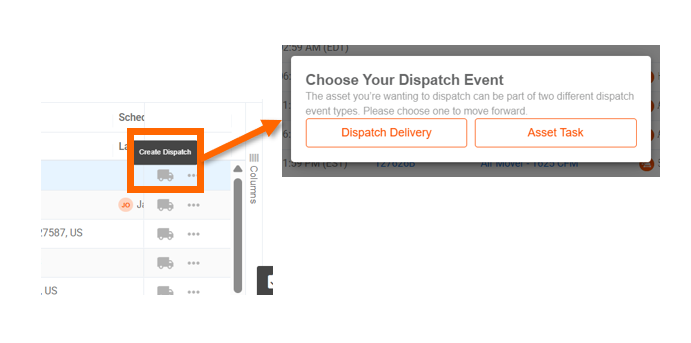
The dispatch form will open pre-filled with details from the request — including the asset or laborer, requested dates, site, location, point of contact, and notes.
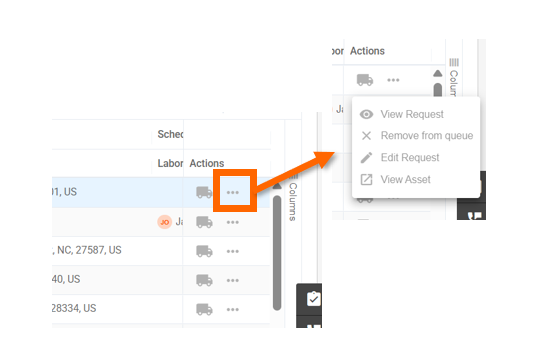
Click the "dotted icon" (secondary action) to:
View Request Details: Opens a side panel with the full request details — useful for quickly reviewing a request without leaving the queue.
Edit Request: Opens the Edit Request page for that request. Available only if you have permission to edit approved requests.
Remove from Queue: Manually removes the request from the Dispatch Queue. The request itself is not deleted — it simply no longer appears as waiting to be dispatched.
View Asset (asset requests only): Opens an asset details side panel so you can review the asset's condition and history before dispatching.
How the Dispatch Queue Fits into Your Workflow
Use the Dispatch Queue when you want to:
- See everything that has been approved and is ready to be scheduled
- Prioritize requests by urgency, dates and requested sites
- Quickly create dispatch deliveries or tasks from approved requests
- Clean up and manage the list of requests waiting for dispatch
Dispatch Queue vs. Dispatch Board
Use the Dispatch Board when you want a visual, site-by-site planning view with drag and drop. Use the Dispatch Queue when you want a list view focused on approved requests and dispatch creation.